The Hive Mind: Q3 2026

The risk investors aren’t talking about enough
Private Markets are having a moment. Policymakers want more capital flowing into them, asset managers are building out their propositions and long-term investors are being encouraged to look beyond public markets.
And there are good reasons for that: institutions such as pension schemes and charities can be particularly well suited to private assets as their long investment horizons mean they are often better placed to accept illiquidity in return for access to a broader opportunity set.
But long-term capital requires long-term due diligence - and that needs to extend beyond performance, fees and liquidity.
At our recent ACT Press event, important points were raised about the risks of committing capital to private markets for 10-15 years. And as our co-CEO Bev Shah flagged in this column many characteristics of private markets - such as long lock-in periods, illiquidity and complex structures - heighten the importance of understanding the culture of the investment managers entrusted with these assets.
Culture also evolves over time, and that's another important element that shouldn't be overlooked. If you're effectively entering a decade-long relationship with an investment manager, today's culture isn't enough. What happens when leadership changes? When performance disappoints? When liquidity becomes constrained? When commercial pressures start pulling in a different direction from client interests?
These are not fluffy ‘people’ questions - as the ACT Stewardship Council is regularly highlighting they are investment and governance risks. For charity trustees in particular, the opportunity in private markets - as well as other asset classes - therefore comes with a responsibility to ask better questions - and keep asking them.
That's one reason City Hive has launched the ACT Toolkit for Charity Trustees, with the support of Rathbones. It is designed to help trustees look beyond the numbers and strengthen their oversight of the organisations entrusted with their assets.
Because if we're going to ask investors to think longer term, our due diligence needs to do the same.
City Hive will be to continuing the conversation at a Private Markets roundtable on 1st October. We look forward to updating you. In the meantime, please get in touch if you want to discuss any of the articles in this quarter's Hive Mind further.
Natalie Kenway

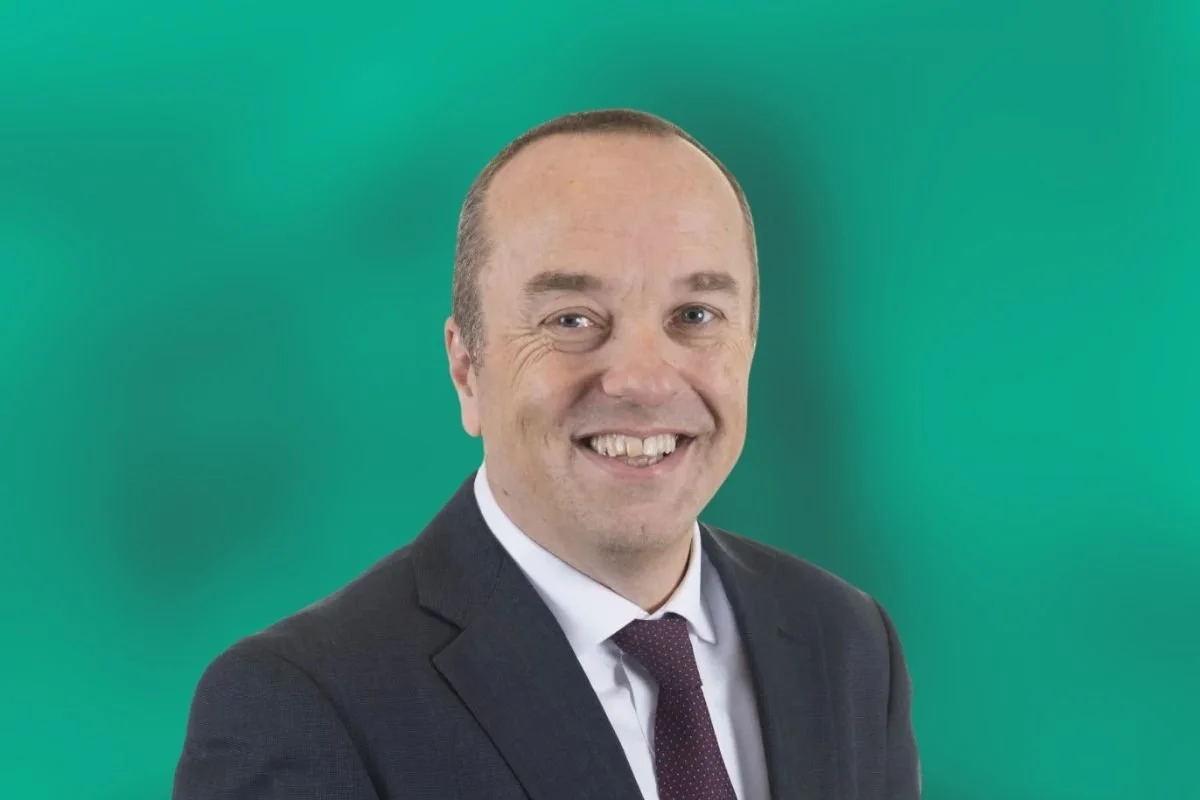
ACT toolkit launched for charity trustees’ oversight of assets
The ACT Toolkit, supported by Rathbones, will help charity trustees assess the culture of asset managers.

Pensions and charities: Why culture is the missing piece
Members of the ACT Stewardship Council explain how ACT can help charity trustees have an informed discussion around culture.

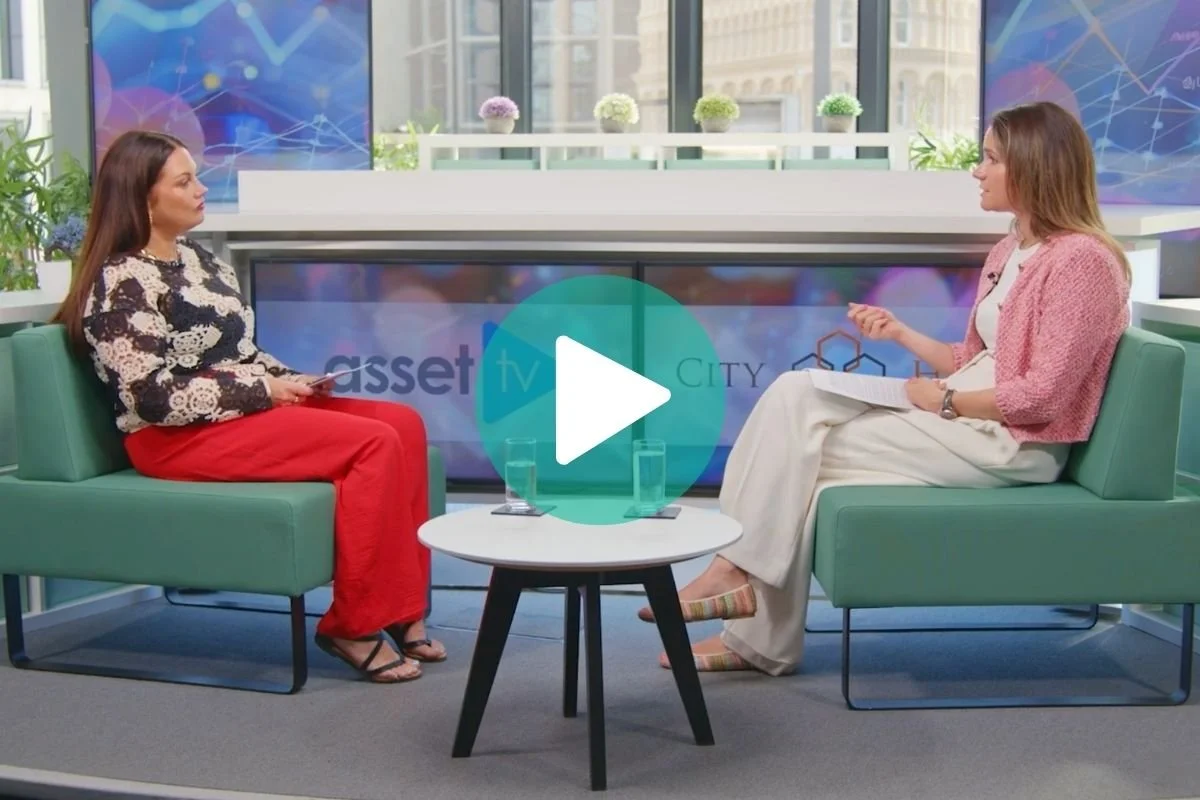
From framework to practice: EQ Investors on becoming ACT Informed
EQ Investors’ Sophie Kennedy spoke to Asset TV to explain how the ACT Framework is embedded into its investment due diligence as one of the first firms to become ACT Informed.
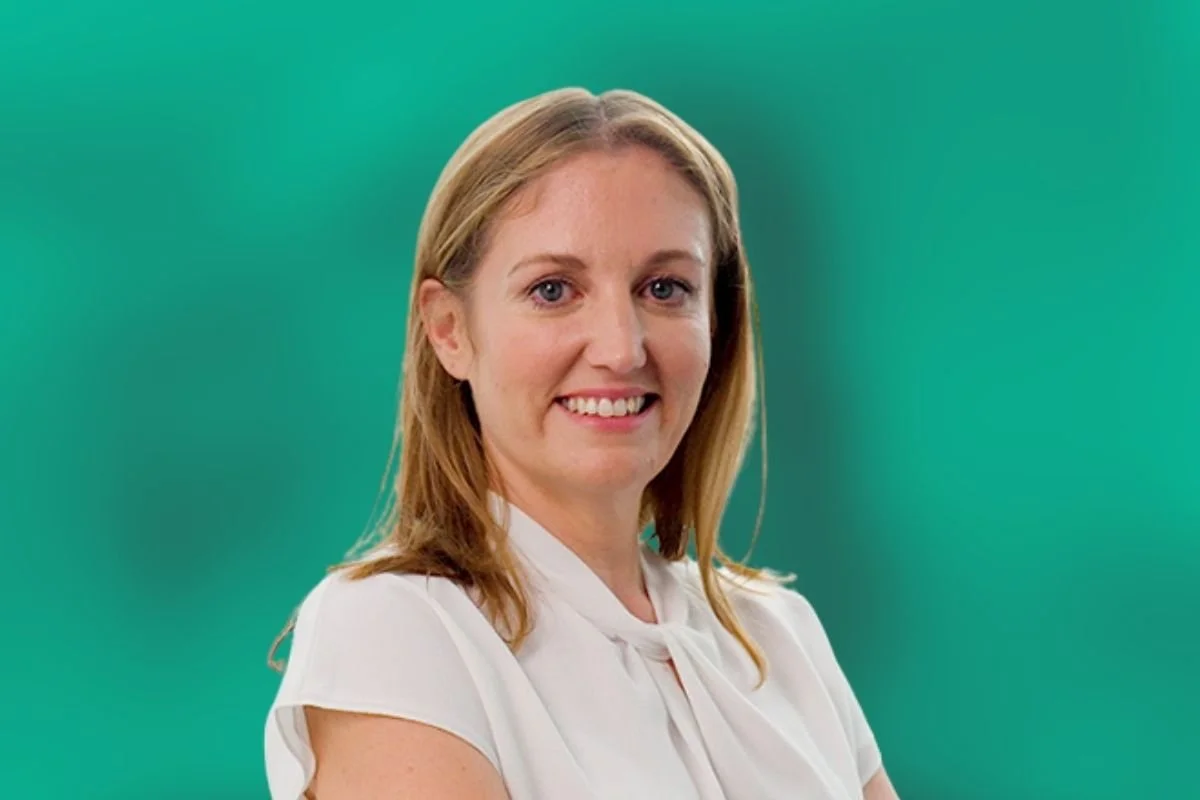
Do co-portfolio managers really reduce key person risk?
As more co-portfolio managers are put in place, Hannah Evans explores whether this changes what key person risk looks like.
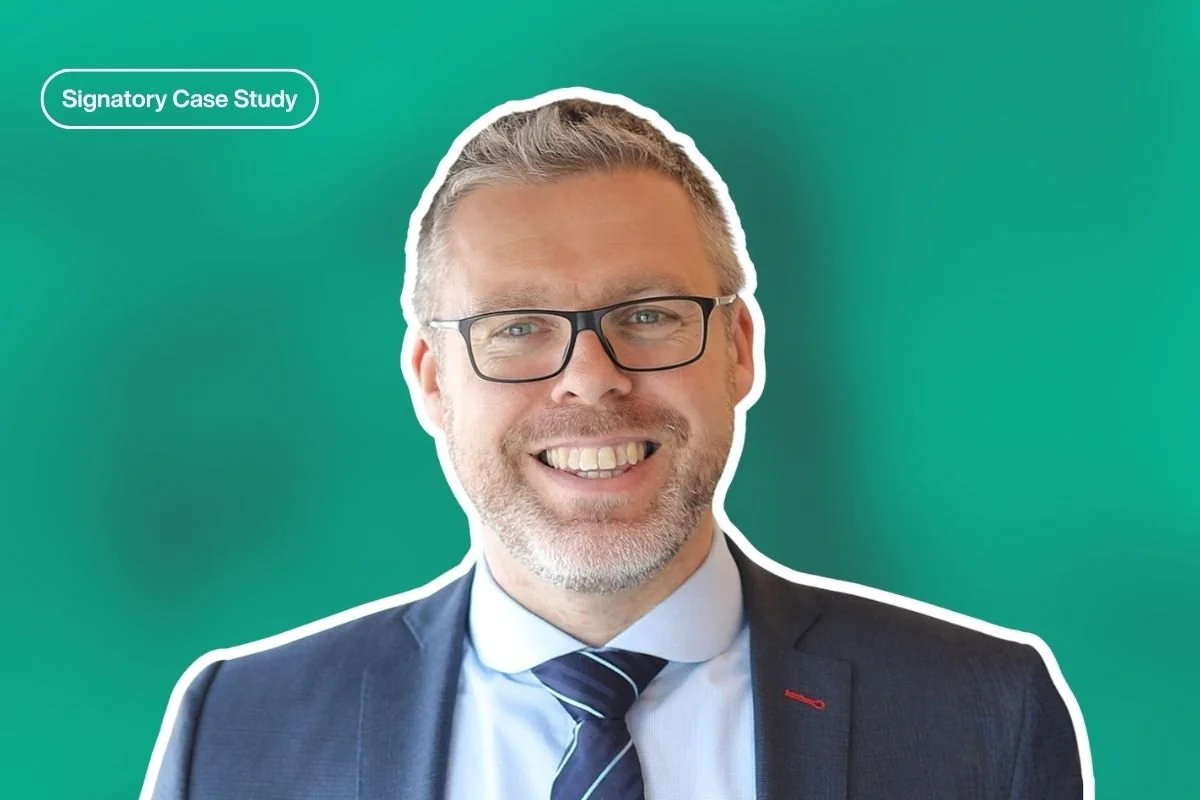
Quality of decisions we make for clients depends on the environment we create for our people
In this ACT Signatory case study, RLAM’s Ed Venner discusses colleague engagement, leadership behaviours and client feedback.


Does ownership decide whether stewardship works?
Clare Wood argues that stewardship only works when three separate acts of stewardship line up.

Building a resilient culture in challenging markets
River Road’s Daniel Johnson explains how becoming an ACT Signatory was important for all its stakeholders.
Thank you for being part of our Hive
2025 has shown what this industry can achieve when we work collectively, boldly and with culture at the heart of our decision-making. We can’t wait to build on this momentum with you in 2026.
Want our insights straight in your inbox?