
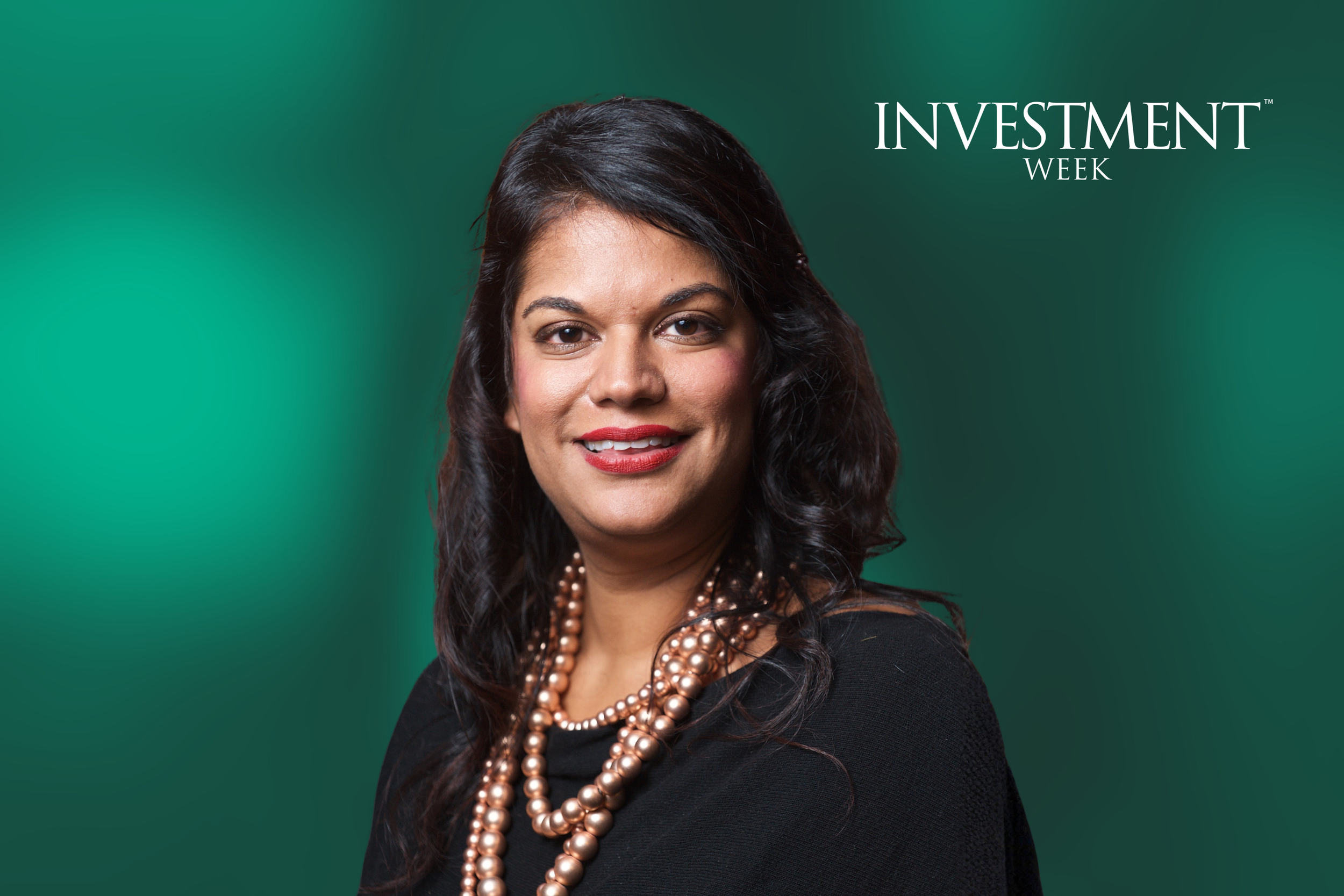
By Bev Shah, co-CEO of City Hive
For more than a decade, I have had the great privilege of judging the Women in Investment Awards. If you read enough nominations over that period,they become more than individual accounts of achievement. Collectively, they give you a window into how careers develop, what organisations value and, perhaps most interestingly, what people feel they need to demonstrate to be recognised as successful.
Over the years, the nominations have offered compelling examples of women delivering investment performance, developing strategies, leading teams, winning clients and navigating difficult markets. They also reveal the contribution individuals make beyond the headline results, whether through challenging investment thinking, improving research processes or developing colleagues. What has stayed with me is not simply the breadth of achievement, but what these stories reveal about how investment careers are built, how experience is valued and the opportunities that shape what comes next.
Getting in is not the same as getting on
Much of the industry’s attention has focused on attracting more women into investment management. How do we make investment careers visible to female graduates? How do we improve recruitment? These are important questions, but getting someone through the door is only the beginning. What happens five, 10, 15 and 20 years later matters just as much.
The commitment of senior women to supporting the next generation is one of the most encouraging themes I have seen across the nominations, and something worth recognising in its own right. What is particularly striking is how many see developing others as an integral part of their own success. They are not simply sharing advice, but creating opportunities, building confidence and helping younger colleagues gain the experience and exposure needed to establish themselves. This is leadership that has an impact well beyond an individual’s own career.
Building, pausing and building again
Investment management is an industry where responsibility is earned and built upon over time. Being entrusted with a mandate provides the opportunity to establish a track record, demonstrate judgement and earn the confidence needed to take on further responsibility. A new mandate isn’t just today’s opportunity. It becomes part of the track record on which tomorrow’s opportunity is awarded.
Experience compounds, but so does opportunity. Each new responsibility can strengthen the evidence on which the next decision about someone’s career is made. Equally, when that progression is interrupted, the effect can compound in the opposite direction.
Organisational restructuring, changes in investment teams, difficult markets or personal circumstances can all alter the course of a career. Sometimes those changes are chosen; sometimes they aren’t. Experience and judgement don’t disappear, but the opportunity to demonstrate them, build a track record and secure the next mandate can be affected. In a profession where credibility and opportunity are closely connected, the consequences can extend well beyond the immediate change.
Over the years, I have seen nominations from women who have taken on new responsibilities, rebuilt strategies or established themselves in different organisations. What matters is the investment expertise they have demonstrated and how they have applied it in different circumstances. Their achievements are a useful reminder that a career does not have to follow a continuous upward trajectory for the experience accumulated along the way to retain its value.
This raises questions for investment organisations. Who gets the first mandate, and who gets the next? Who is backed through a difficult period or organisational change? Who retains responsibility when teams are restructured? And when someone takes a different path, how is their previous experience recognised when the next opportunity arises?
These are questions about making sound decisions on investment talent. An uninterrupted track record is valuable, but it is not the only evidence of capability. Nor should a change in career direction mean starting again in terms of credibility. There is a difference between a gap in opportunity and a gap in ability. Recognising that distinction could help firms make better use of the experience and expertise already available to them.
Recognising the individual behind the results
One of the most interesting aspects of judging is understanding what an individual has actually contributed. Investment management is a collaborative profession, drawing on expertise across research, portfolio construction, risk management and client engagement. Strong results are often the product of many people’s work, but being part of a successful team is not the same as demonstrating individual achievement.
Some of the strongest nominations make that distinction exceptionally well. They go beyond describing the success of a fund, strategy or business to explain the decisions someone made, the thinking they challenged and the difference their actions had on the outcome. That contribution might be research that changes an investment decision, the development of a new strategy or direct responsibility for a portfolio. Each requires expertise and judgement, even if the contribution is measured differently.
The value of opportunity
What stays with me from judging is not only what these women have achieved, but the opportunities they are creating for others. There is something particularly encouraging about seeing experienced investment professionals use their position to help the next generation develop the judgement, confidence and track records on which future careers are built.
Investment management understands the value of compounding capital. The same principle applies to careers. Experience, responsibility and opportunity build on one another, but only when people are given the chance to put their capabilities to work.
Awards give us an opportunity to recognise and celebrate exceptional achievement, and the women recognised through these awards have every reason to be proud of what they have accomplished. Their success also reminds us that investment careers are built over time, through experience, judgement and the opportunities to put both to work. Recognising those achievements matters, as does ensuring that the talent and expertise behind them continue to be valued throughout their careers.
AI is used as an accessibility tool to support dyslexia and assist with structuring, refining and editing written communication. The ideas, experiences, perspective and final editorial decisions are entirely the author’s own.